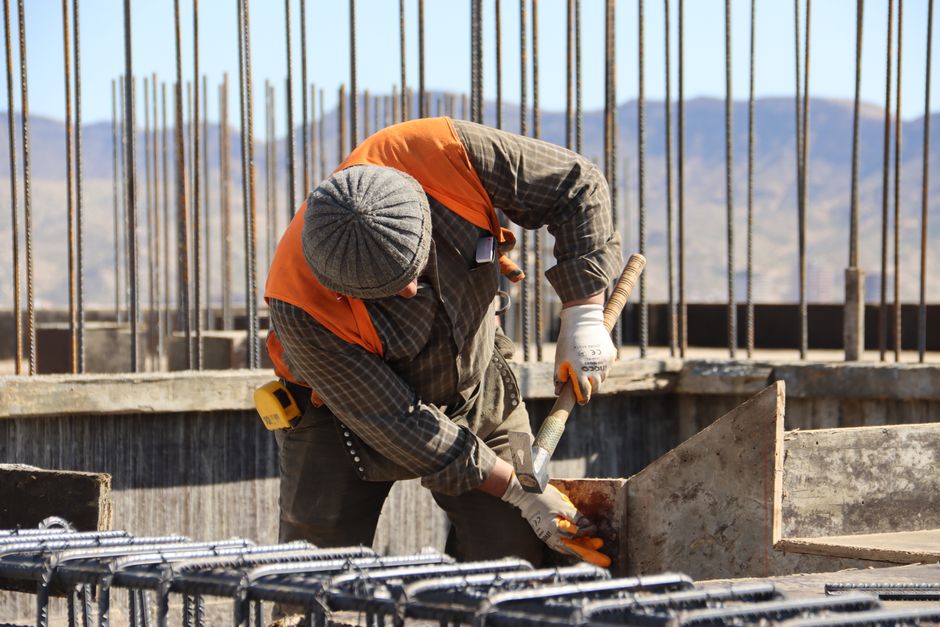
Polyurethane foam vs traditional foundation repair Texas homes face is a critical decision for Garland property owners dealing with foundation settlement or soil shifting. Traditional methods like concrete piers and mudjacking often involve extensive excavation, long repair times, and disruption to landscaping.
Homeowners frequently encounter water damage and uneven floors during these repairs, leading to increased costs and inconvenience. In contrast, polyurethane foam injection offers a less invasive solution that stabilizes foundations quickly, reduces moisture problems, and limits property disturbance.
Understanding the benefits of polyurethane foam vs traditional foundation repair Texas homes helps Garland residents make informed choices to protect their investments and enhance structural longevity.
Why It Matters in Garland, TX
In Garland, TX, the unique soil composition and frequent weather fluctuations pose significant challenges for foundation repair. Choosing polyurethane foam offers advantages such as faster installation, minimal disruption, and superior resistance to moisture, which are critical in this region.
Unlike traditional foundation methods, foam solutions can adapt better to the expansive clay soils common in Garland, reducing risks of future settlement and water damage. Homeowners in Garland benefit from understanding these distinctions to protect their investments and maintain structural integrity amidst the area's demanding conditions.
How Polyurethane Foam Repairs Foundations in Garland, TX Homes
In Garland, Texas, polyurethane foam has become a preferred material for foundation repair due to its adaptability to local soil conditions. The process begins with injecting the foam beneath the existing foundation through small access holes.
This foam rapidly expands, filling voids and stabilizing the soil, which helps to lift and level settled slabs.
Polyurethane foam injection is especially effective in Garland’s expansive clay soils that frequently shift with moisture changes. Unlike traditional methods that may require extensive excavation, this technique minimizes disruption while addressing the root cause of foundation settlement.
The foam’s lightweight yet durable properties reduce additional load on the soil, preventing further damage.
Key Steps in Polyurethane Foam Foundation Repair in Garland
- Site assessment: Contractors evaluate soil conditions and foundation movement.
- Drilling access points: Small holes are created in the slab for foam injection.
- Foam injection: The expanding foam fills underground voids and compacts loose soil.
- Lifting and leveling: The foam’s expansion gently raises the foundation to its original position.
- Sealing holes: Injection points are sealed to restore the slab’s surface integrity.
This method suits the variable moisture levels and soil composition in Garland, providing a precise and effective solution for homeowners seeking foundation repair. Professional companies in Garland typically recommend polyurethane foam for its ability to address water damage and soil movement challenges common in Texas homes.
Comparing Durability and Longevity: Polyurethane Foam vs Traditional Foundation Repair
Polyurethane foam offers notable advantages in durability and longevity compared to traditional foundation repair methods commonly used in Texas homes. The expanding foam material is highly resistant to moisture and environmental stressors, which are significant contributors to foundation settlement and deterioration in regions with expansive clay soils like Garland, TX.
Unlike traditional repairs that often involve extensive excavation and replacement of damaged concrete, foam injection creates a stable, waterproof barrier that resists future water damage.
Traditional foundation repair methods such as underpinning with concrete piers or slabjacking can experience degradation over time due to soil movement and prolonged exposure to moisture. In contrast, polyurethane foam maintains its structural integrity for decades, minimizing the need for repeated interventions.
This resilience is particularly valuable in Texas, where seasonal changes cause frequent soil expansion and contraction, exacerbating foundation stresses.
Key Factors Affecting Durability and Longevity
- Resistance to Moisture: Polyurethane foam's waterproof properties reduce risks of mold growth and material breakdown.
- Soil Adaptability: Foam adjusts to shifting soil conditions without cracking or losing adhesion.
- Minimal Disruption: The non-invasive application preserves existing structural elements, reducing long-term wear.
- Longevity Expectations: While traditional repairs may require maintenance within 10-15 years, polyurethane foam solutions often exceed 20 years of effective performance.
Homeowners looking for durable foundation solutions in Garland should consider how polyurethane foam's longevity aligns with the challenging soil composition and climate. Professional companies typically recommend foam injection as a proactive measure to protect investments against ongoing foundation settlement issues.
Cost Efficiency and Time Savings of Polyurethane Foam Over Traditional Methods in Garland
Homeowners in Garland, TX often consider cost efficiency when selecting between polyurethane foam and traditional foundation repair methods. The upfront costs for foam injection typically range from $3,500 to $7,000, which is often lower than the $6,000 to $15,000 required for extensive excavation and installation of concrete piers.
This price difference stems largely from the reduced labor and material needs associated with foam compared to traditional repairs.
Installation timelines also highlight the advantages of polyurethane foam. While conventional methods may require several days to weeks due to excavation, curing, and heavy equipment usage, foam injection can often be completed within a few hours to one day.
This accelerated process minimizes disruption to homeowners and lowers indirect costs such as temporary relocation or lost work hours.
Long-Term Savings and Maintenance Considerations
- Reduced Repair Frequency: Polyurethane foam’s ability to stabilize soil quickly helps prevent recurrent foundation settlement, lowering the need for future interventions.
- Minimized Water Damage Risks: By sealing voids effectively, foam reduces the chances of water damage, which can lead to costly secondary repairs.
- Less Structural Impact: Unlike traditional methods requiring heavy machinery, foam's minimal invasiveness preserves landscaping and structure, avoiding additional restoration expenses.
- Energy Efficiency: Foam’s insulating properties can contribute to modest energy savings by improving foundation thermal performance.
Overall, professional companies in Garland usually report that the combined benefits of lower initial costs, faster completion times, and long-term durability make polyurethane foam a financially prudent choice for many homeowners facing foundation issues in the region’s challenging soil conditions.
Advantages of Polyurethane Foam Over Traditional Foundation Repair Methods in Texas Homes
| Option | Pros | Cons | Best For |
|---|---|---|---|
| Polyurethane Foam Injection | Minimal excavation, quick curing time, water-resistant, effective in expansive clay soils | Higher upfront cost, limited track record (10-15 years), requires specialized equipment | Homes with limited access, moderate foundation settlement, clay soil conditions common in Garland |
| Concrete Pier Installation | Proven durability (20+ years), supports heavy loads, widely accepted by code | Extensive excavation required, longer repair time, higher disruption to landscaping | Severe foundation settlement, homes with deep structural issues, stable soil composition preferred |
| Slabjacking (Mudjacking) | Cost-effective for minor settling, less invasive than piers, quick application | Less durable in expansive clay soils, may require repeat treatments, not suitable for major cracks or damage | Minor foundation leveling, homes on stable soils with slight settlement |
| Helical Piles | Effective in poor soil conditions, minimal excavation, adjustable after installation | Higher material cost, specialized installation expertise needed, may be overkill for minor issues | Homes with unstable or shifting soils, foundations requiring adjustable support |
Frequently Asked Questions
What makes polyurethane foam a better choice for foundation repair in Garland, TX?
Polyurethane foam offers rapid installation with minimal disruption and does not require extensive excavation. Its ability to expand and fill voids helps stabilize foundations affected by expansive clay soils, common in Garland, reducing the risk of water damage and further settlement.
How does polyurethane foam handle soil conditions compared to traditional methods?
Unlike traditional concrete piers, polyurethane foam adapts well to varied soil composition, especially in areas with clay soils. Its injection method allows it to fill voids and compact soil beneath foundations, offering improved resistance to shifting caused by moisture changes.
Are polyurethane foam repairs more cost-effective than traditional foundation repairs?
Homeowners typically find that polyurethane foam reduces costs by minimizing the need for heavy equipment and lengthy labor. While prices range between $3,500 and $7,000, foam repairs often require less time and cause fewer disruptions, contributing to overall cost efficiency.
Does polyurethane foam provide long-lasting foundation stability?
Polyurethane foam repairs generally last between 10 and 15 years, offering durable support that resists further foundation settlement. Though slightly less than the lifespan of some traditional methods, the foam’s ability to seal against moisture helps protect foundations from ongoing water damage.
Is polyurethane foam suitable for all foundation types in Texas homes?
Professional contractors often recommend polyurethane foam for slab foundations affected by soil movement. However, homes with certain foundation types or severe damage may still require traditional methods like concrete piers. Consulting with experts familiar with local soil conditions ensures the best repair approach.
Polyurethane foam foundation repair in Garland, TX offers significant advantages over traditional methods, including less invasive installation, superior resistance to soil movement, and enhanced protection against water damage. Homeowners benefit from faster stabilization and reduced disruption compared to concrete piers and extensive excavation typically required by conventional repairs.
For those seeking durable solutions tailored to expansive clay soils common in Texas, professional companies provide effective options. Get matched with vetted foundation repair contractors in Garland, TX via our -matching form to explore suitable choices for your property.